
Rodent Control Services in the Bay Area
Lasting rodent control combines inspection, trapping, sealing, and follow-up checks. We build a plan that keeps rats and mice out of your Bay Area home through every season.
- Licensed, Bonded & Insured
- Family-Owned, 25+ Years
- Free, No-Obligation Quote
Get Your Free Quote
Tell us about your project and we'll follow up with next steps — usually the same day.
Request Free InspectionWhy Rodent Problems Keep Coming Back
One-time fixes tend to deal with the rodents you have, not the conditions that brought them.
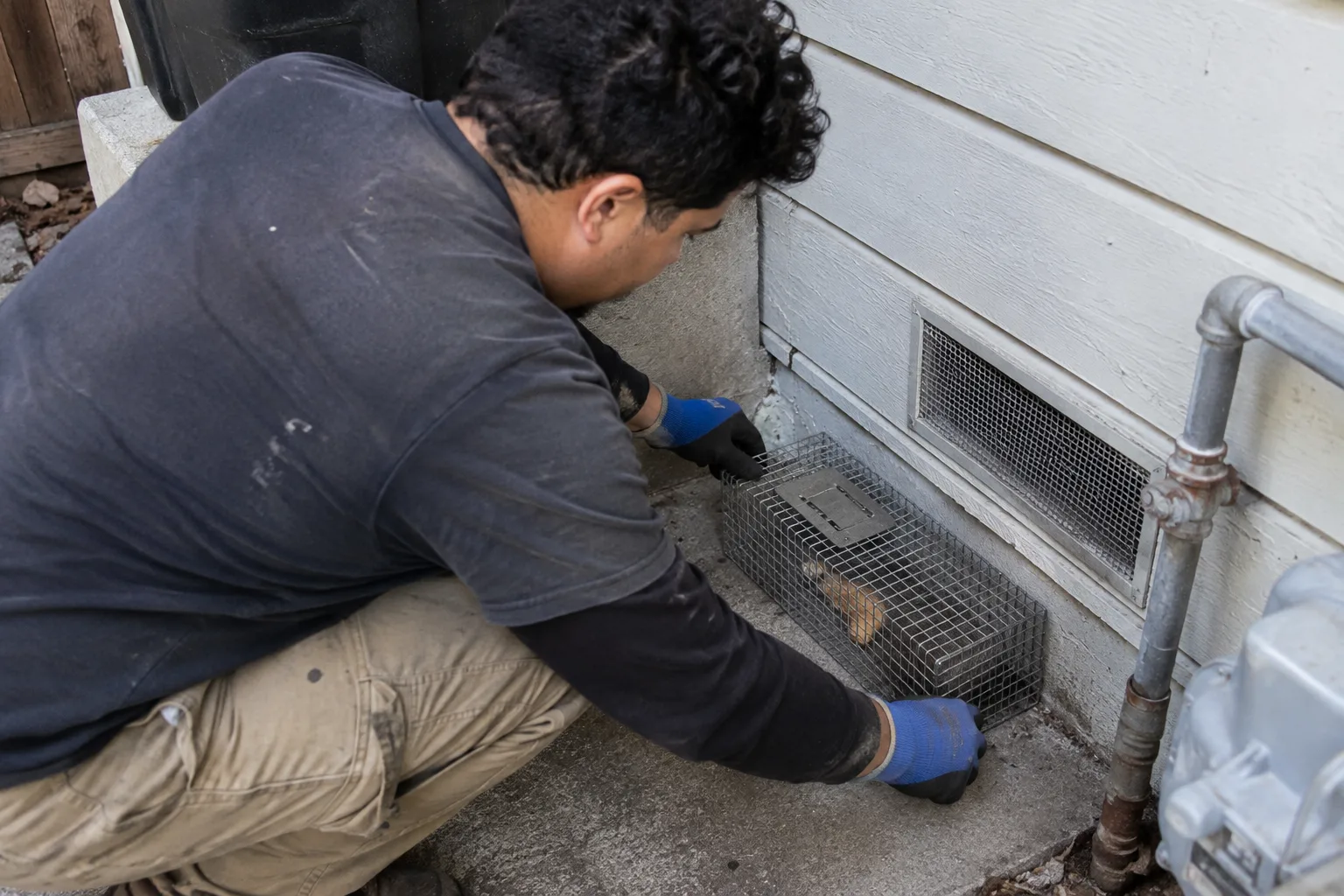
- Traps set but entry points left open
- Fruit trees and ivy feeding nearby rats
- Branches touching or overhanging the roof
- Rainy-season pressure pushing rodents indoors
- No follow-up to confirm activity stopped
 i
What a Real Control Plan Gives You
Control means managing the whole problem over time, from the yard to the attic.
- A plan built for your property
- Removal methods explained up front
- Entry points sealed, damage repaired
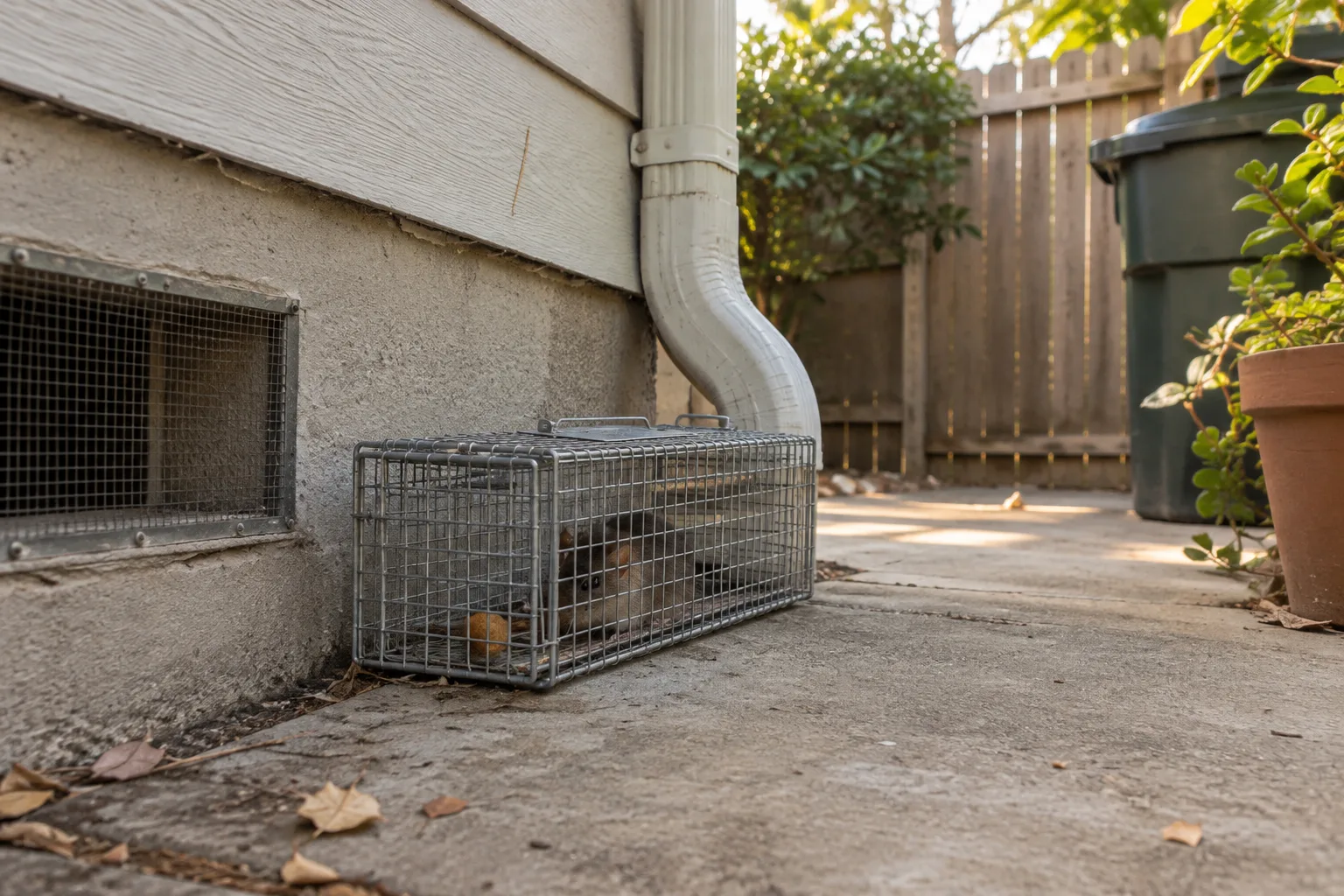
- Follow-up checks on traps and seals
 i
Everything You Need to Know About Rodent Control
Rodent control is a different idea from a quick fix. A single visit can catch a few rats, but if the conditions that drew them in are still there, another group tends to arrive within weeks or months. Control treats the problem as something to manage: figure out which species you have, where they are getting in, and what is feeding them, then work through each of those until activity stops. It's the approach most homeowners end up needing after trying traps on their own.
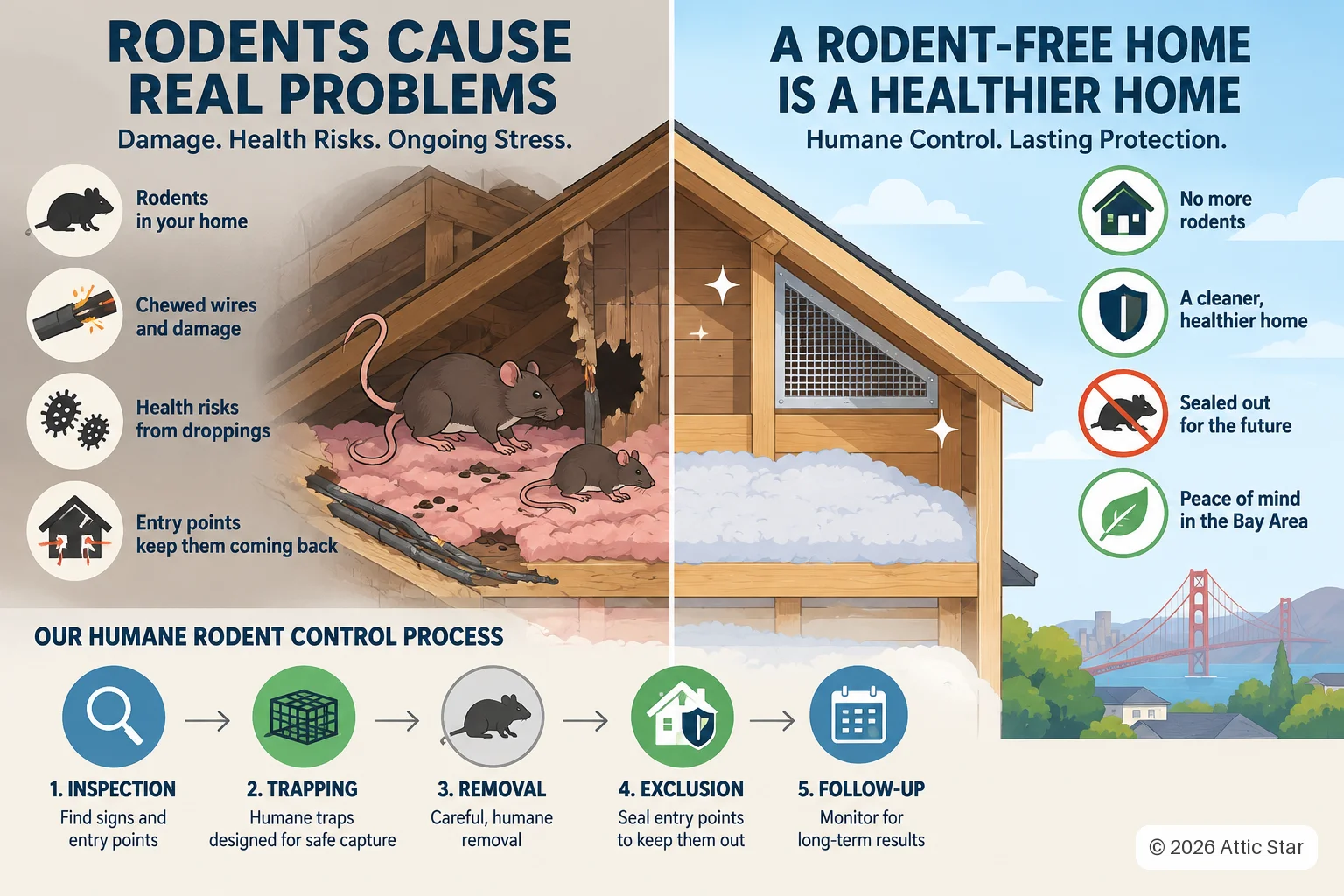
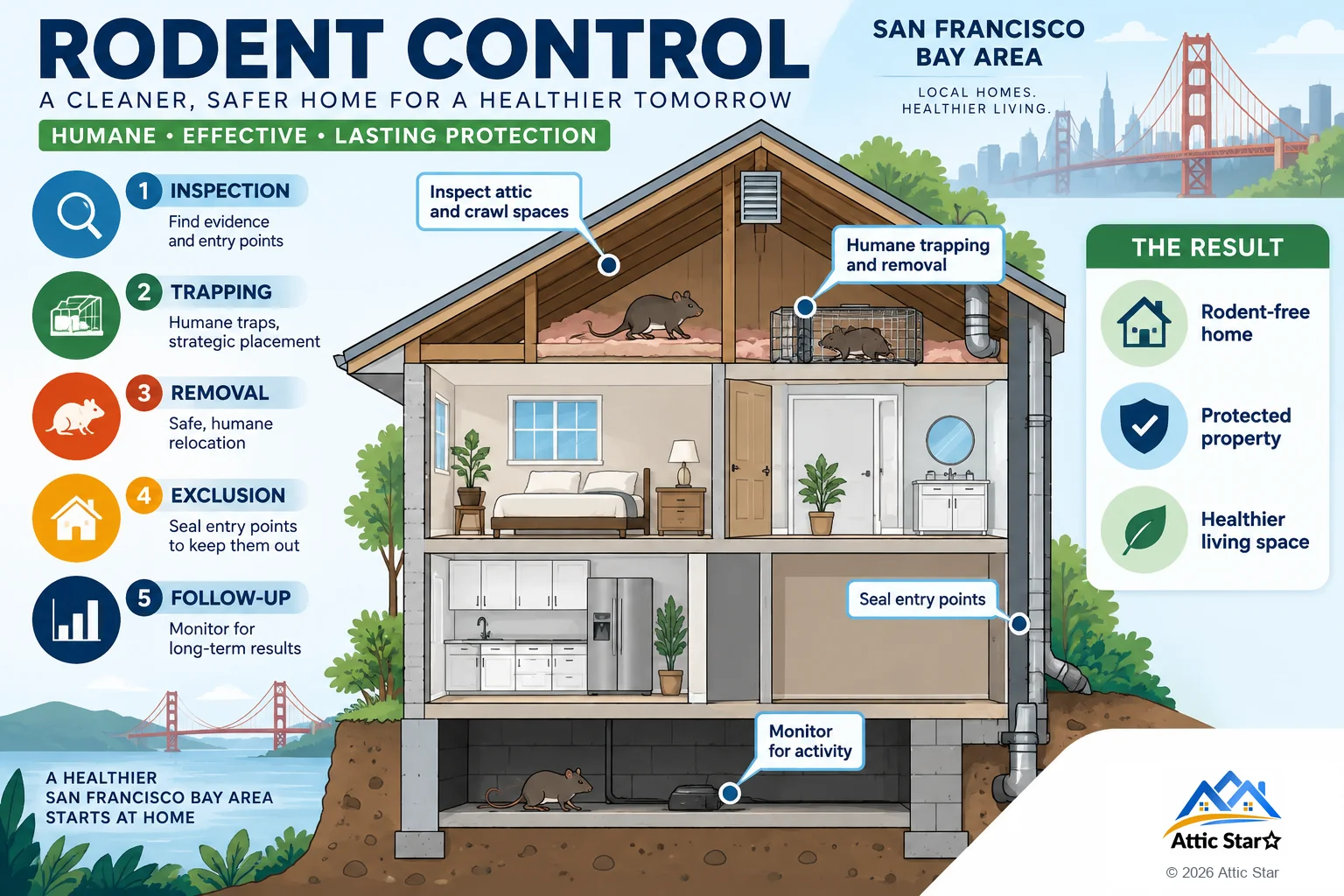
A sound control plan usually moves through a few stages. It begins with an inspection of the attic, crawl space, garage, and exterior to map activity and entry points. Trapping comes next, to bring down the population already inside. Exclusion follows, closing the openings so new rodents can't replace the ones removed. The last stage is monitoring: checking traps and seals and watching for fresh droppings or noises. Skipping any one of these steps is a common reason a rodent problem returns.
Timing matters in the Bay Area. Rodents are active all year, but once the fall and winter rains arrive, many push indoors looking for dry, warm shelter, and attics and crawl spaces suit them well. Many homeowners first notice scratching overhead around October or November. Getting ahead of that seasonal pressure by sealing gaps and trimming back vegetation before the rains tends to make the rest of the year much quieter. Pressure eases in drier months but rarely disappears, which is why monitoring shouldn't stop after the first season.
We approach rodent control as a family-owned company that has worked in Bay Area attics and crawl spaces for more than 25 years. We start with a free inspection, remove the rodents inside, seal the entry points we find, and clean and sanitize any spaces they've soiled. If bait is part of the plan, we'll tell you what is used and where it goes. The crew is our own, and with offices in Redwood City, Mountain View, Larkspur, and Corte Madera, we work throughout the Peninsula, the South Bay and East Bay, San Francisco, and the North Bay.
Rodent Control at a Glance
What You Can Do Around Your Home
Roof rats travel by climbing, so the trees and shrubs around your home act as bridges. Trimming branches back several feet from the roof and walls removes the easiest route to the attic. Ivy deserves special attention in the Bay Area. Dense ivy on fences, walls, and slopes is a favorite roof rat habitat, offering food, cover, and nesting space. Thinning it out, or at least pulling it off the walls of the house, takes away much of what makes a yard attractive to them.
Food is the other half of the equation. Citrus, avocado, and other fruit trees are common in Bay Area yards, and fallen or overripe fruit makes an easy meal for rats. Picking fruit as it ripens and clearing what drops helps a great deal. Pet food left outside overnight, bird feeders that spill seed, and compost bins without secure lids all feed rodents too. Indoors, storing dry pet food and pantry staples in sealed containers keeps a few mice from becoming many.
Clutter near the house gives rodents places to hide and nest. Firewood stacked against an exterior wall is a classic example; keeping it raised off the ground and well away from the house makes it far less inviting. The same goes for piles of lumber, boxes stored on the garage floor, and thick ground cover along the foundation. None of these steps replaces professional exclusion, but together they lower the pressure on your home and help the sealing work last.
Recent Rodent Control Jobs
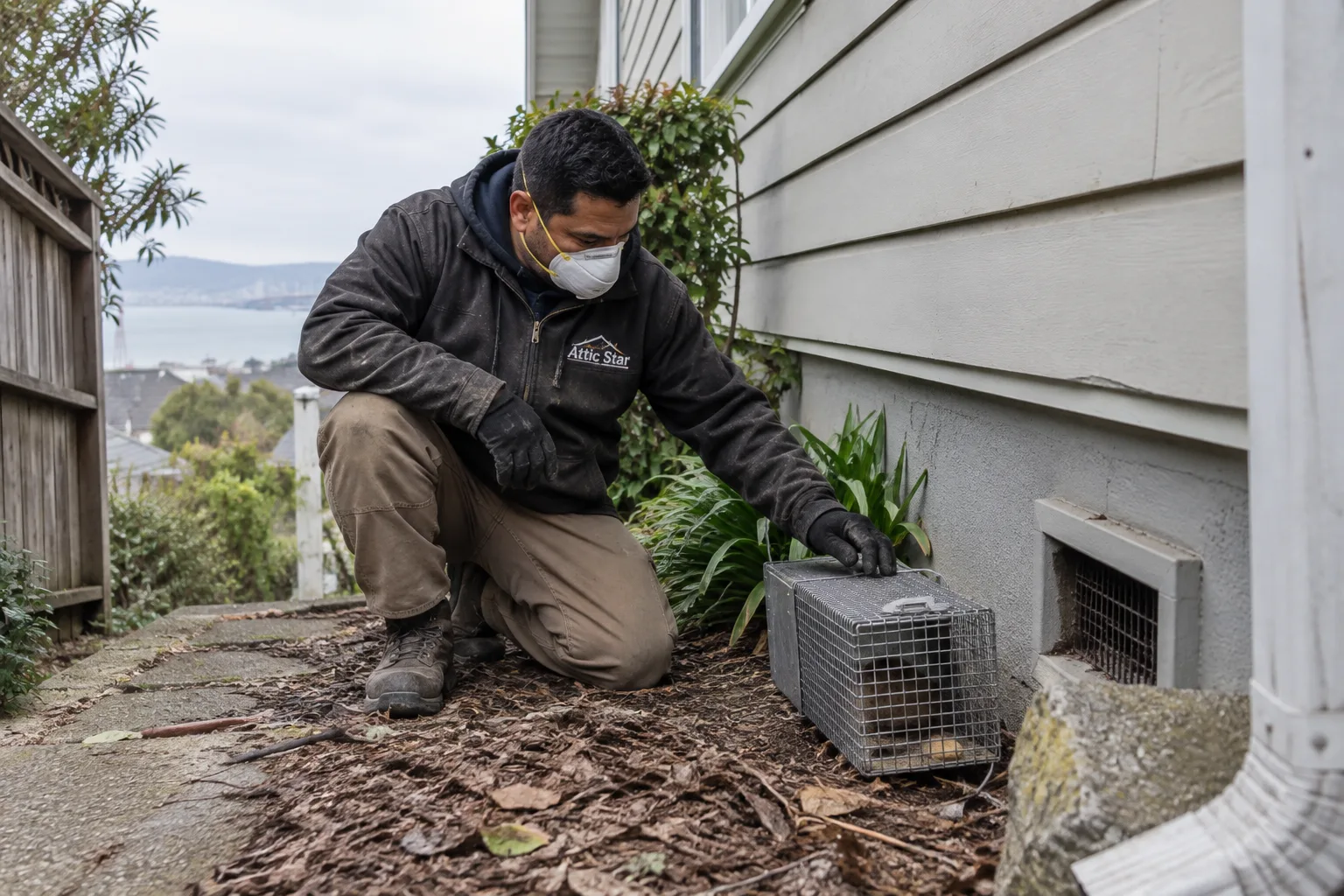 i📍 Richmond District, San Franciscoi📍 Almaden Valley, San Josei📍 Burlingame
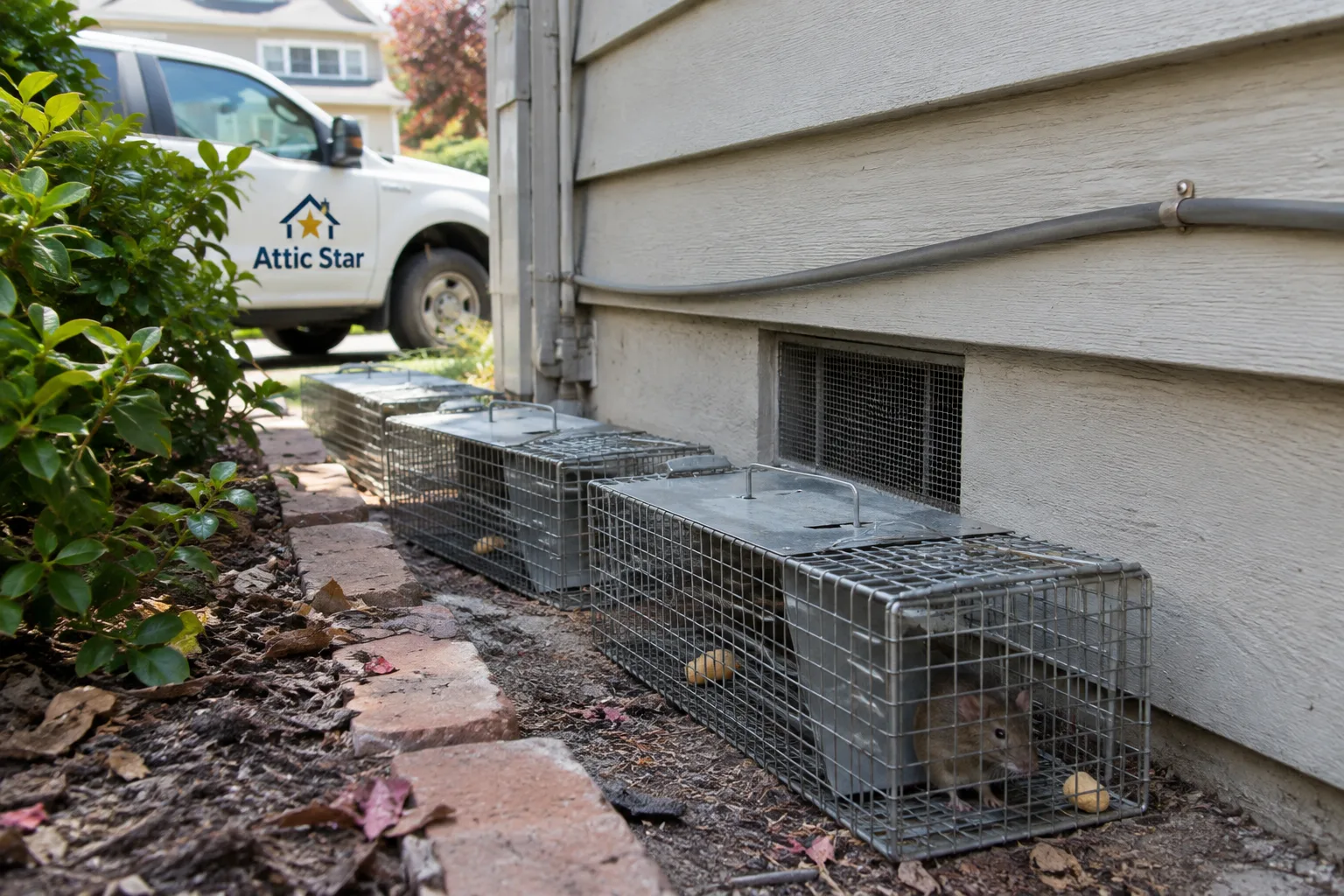 i📍 Brentwood
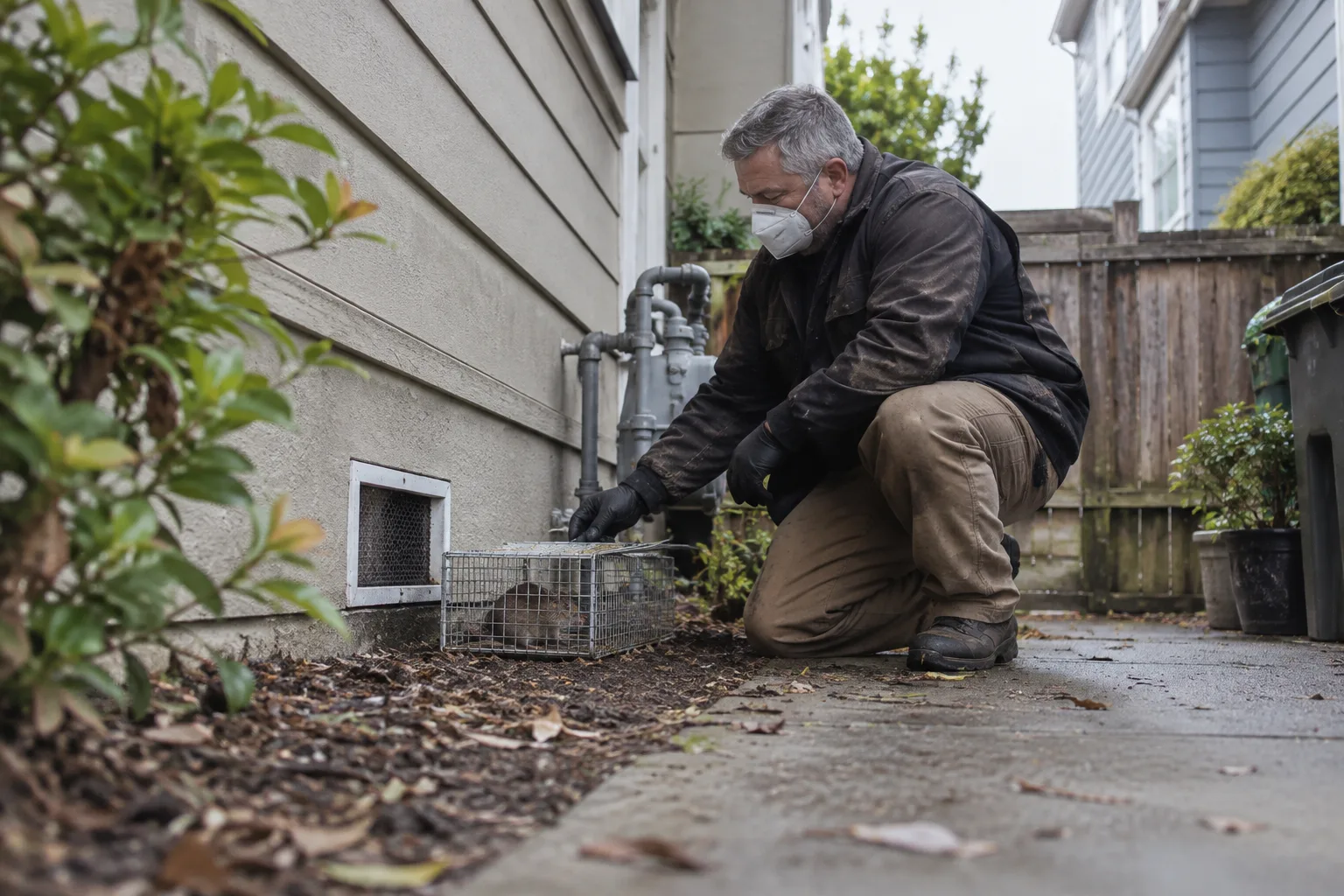 i📍 Alameda
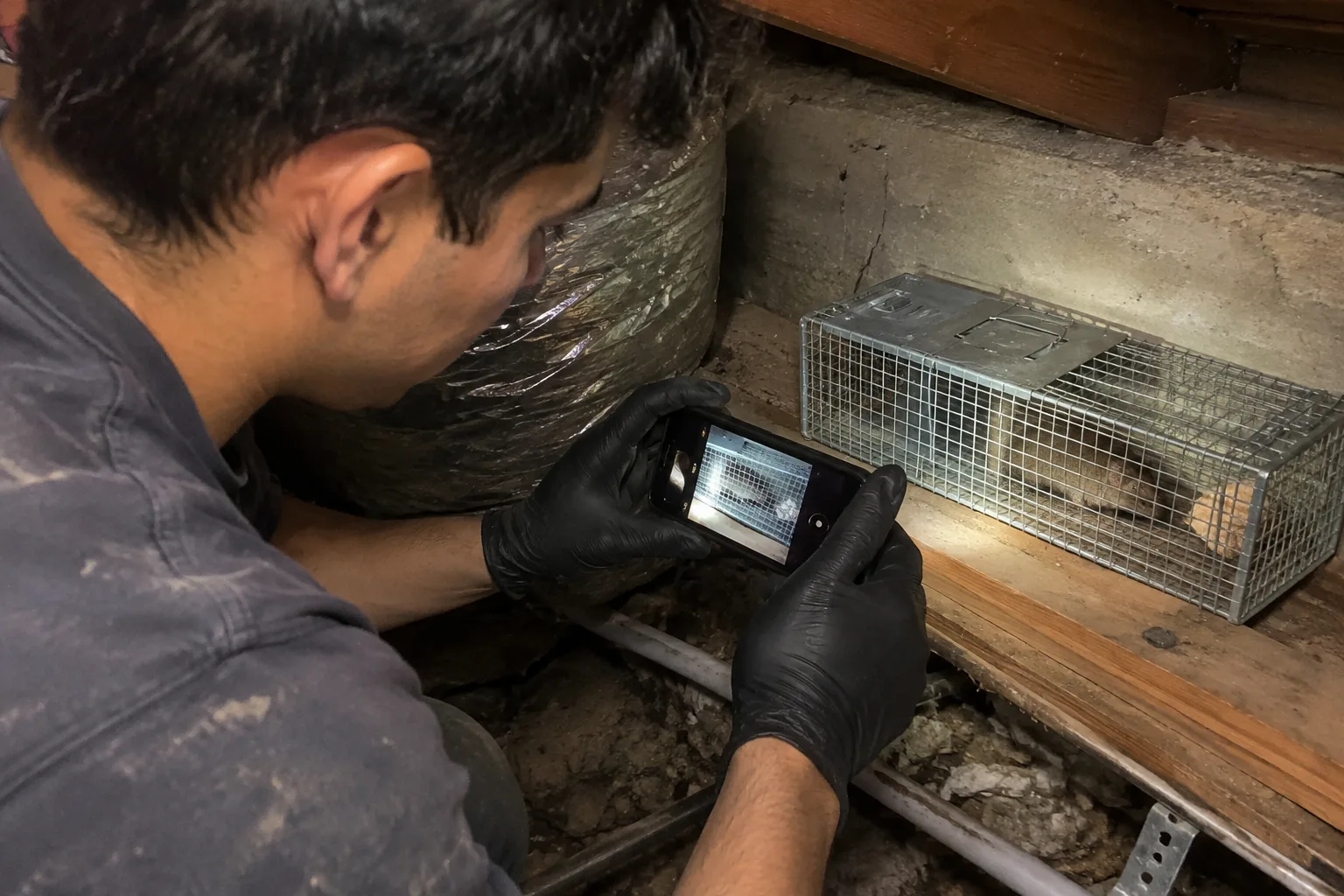 i📍 Santa Clara
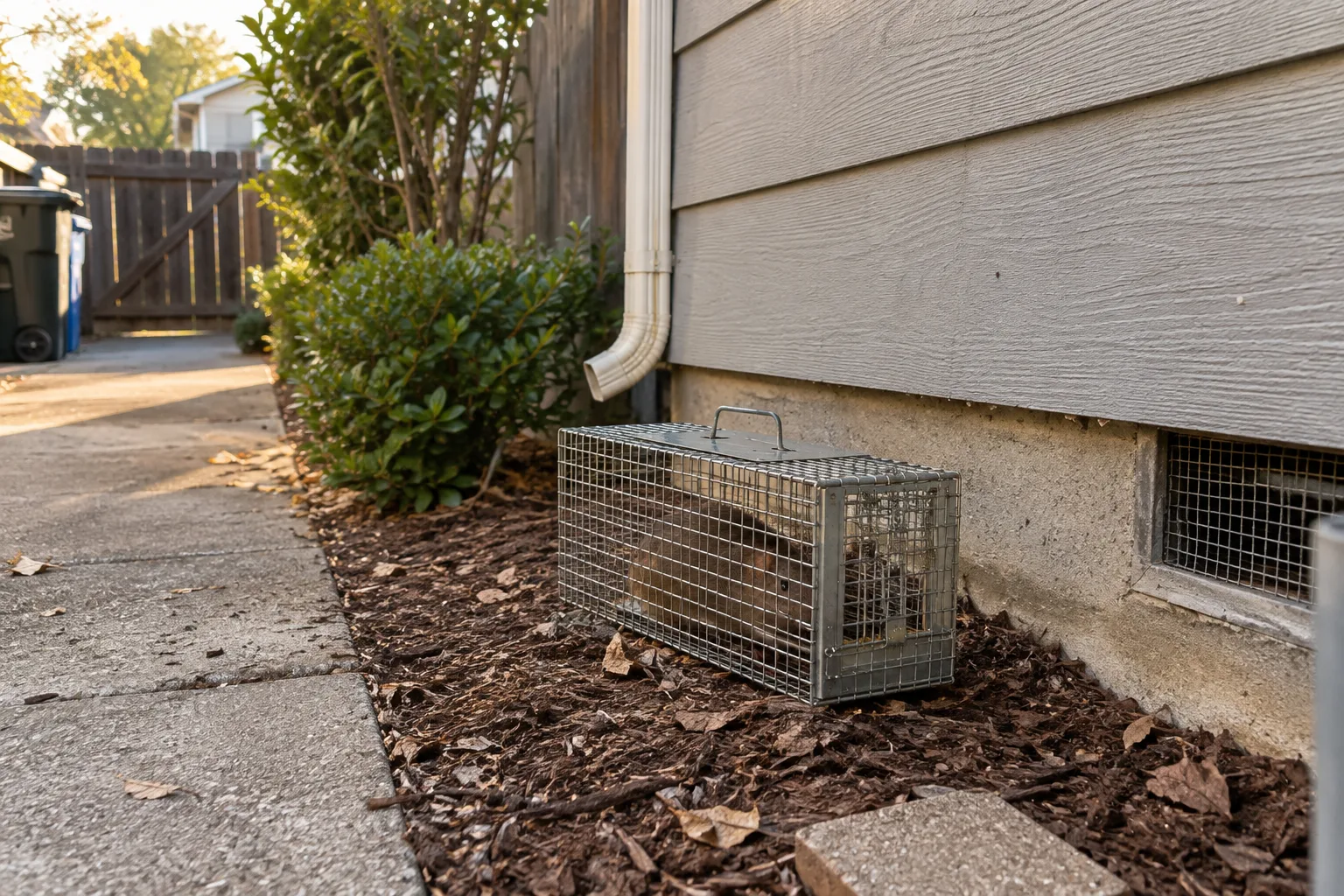 i📍 Cupertino
How We Handle Rodent Control
Inspect and Identify
We look for droppings, rub marks, and nests to learn which rodents you have and where they're active.
Build the Plan
You get a clear plan covering trapping, the entry points to seal, and yard changes that will help.
Trap and Exclude
Trapping clears the current population, then our crew seals entry points and repairs damage.
Check and Confirm
We come back to check traps and seals so you can be confident the activity has stopped.
Other Services Homeowners Ask About
Most projects involve more than one service. These are the ones our Bay Area crews pair with this work most often:
We do rodent control across the Bay Area from four offices, on the Mid-Peninsula, in the South Bay and East Bay, and in the North Bay, San Francisco and Oakland.
What Bay Area Homeowners Are Saying
Our Guarantee: Expert, Reliable, Affordable
Our rodent control work begins with a free inspection and a plan you can understand, carried out by our own crew.
FAQ
How much does rodent control cost? +
Cost depends on the size of your home and the scope of the work. We provide a free, no-obligation inspection and give you an exact quote before anything begins — no surprises.
How long does the work take? +
Sealing and cleanup are usually done in a single visit, but trapping out an active infestation takes follow-up visits until activity stops. We'll give you a timeline during your free inspection.
Do I need to be home during the work? +
You don't need to stay in the work area itself, but we do ask that someone is available at the start and end of the appointment. Our crew works cleanly and keeps you updated throughout.
Are you licensed and insured? +
Yes — Attic Star is fully licensed, bonded, and insured, and has served Bay Area homeowners for over 25 years.
What's the difference between rodent control and rodent removal? +
Removal focuses on the rodents in your home right now. Control is the broader plan around it: removal, plus sealing entry points, changing the conditions that attract rodents, and checking afterward that activity has stopped. If you've had rodents more than once, or your neighborhood has a lot of them, a control approach usually makes more sense than a one-time cleanout.
Why do I hear rodents more in the fall and winter? +
Cooler, wetter weather sends rodents looking for dry shelter, and the warm, insulated space in an attic or crawl space is ideal. Food outdoors can also become scarcer as the season changes. That's why so many Bay Area homeowners first hear scurrying overhead once the rains begin.
Do my neighbors' rodents affect my home? +
Often, yes. Roof rats in particular travel along fences, power lines, and shared trees, so a neighbor's fruit trees or ivy can feed the same rats trying to get into your attic. You can't control the whole block, which is exactly why sealing your own home matters so much. Once the house is closed up, nearby activity has a much harder time becoming your problem.
Can I control rodents on my own with store-bought traps? +
Traps can catch a few rodents, and for a single mouse they may be all you need. The trouble is that DIY trapping rarely addresses how the rodents got in, and placement matters more than most people expect. If you keep catching rodents, the entry points are probably still open. A free inspection can show you where they're coming from.
Get Your Free Rodent Control Quote
Fill out the form and we'll follow up to schedule your free, no-obligation inspection — most homeowners hear back the same day. Prefer to talk now? Call us directly.
Get Your Free Estimate
Takes less than a minute — tell us about your project and we'll follow up the same day.
Get my Free Estimate