Rockwool Insulation in the Bay Area
Rockwool mineral wool insulation for Bay Area homes: fire-resistant, water-repellent batts that hold their shape and help quiet outside noise. Free inspections near freeways, flight paths, and wildfire zones.
- Licensed, Bonded & Insured
- Family-Owned, 25+ Years
- Free, No-Obligation Quote
Get Your Free Quote
Tell us about your project and we'll follow up with next steps — usually the same day.
Request Free InspectionWho Benefits Most From Rockwool
Mineral wool costs more than fiberglass, so it earns its place where its particular strengths matter. Consider it if you have:
- A home in a wildfire-prone, wildland-urban interface area
- Traffic or aircraft noise from a freeway or flight path
- A home office or bedroom that needs to be quieter
- Voices and TV noise carrying between floors
- Wall cavities where ordinary batts tend to slump
 i
Why Choose Rockwool Insulation?
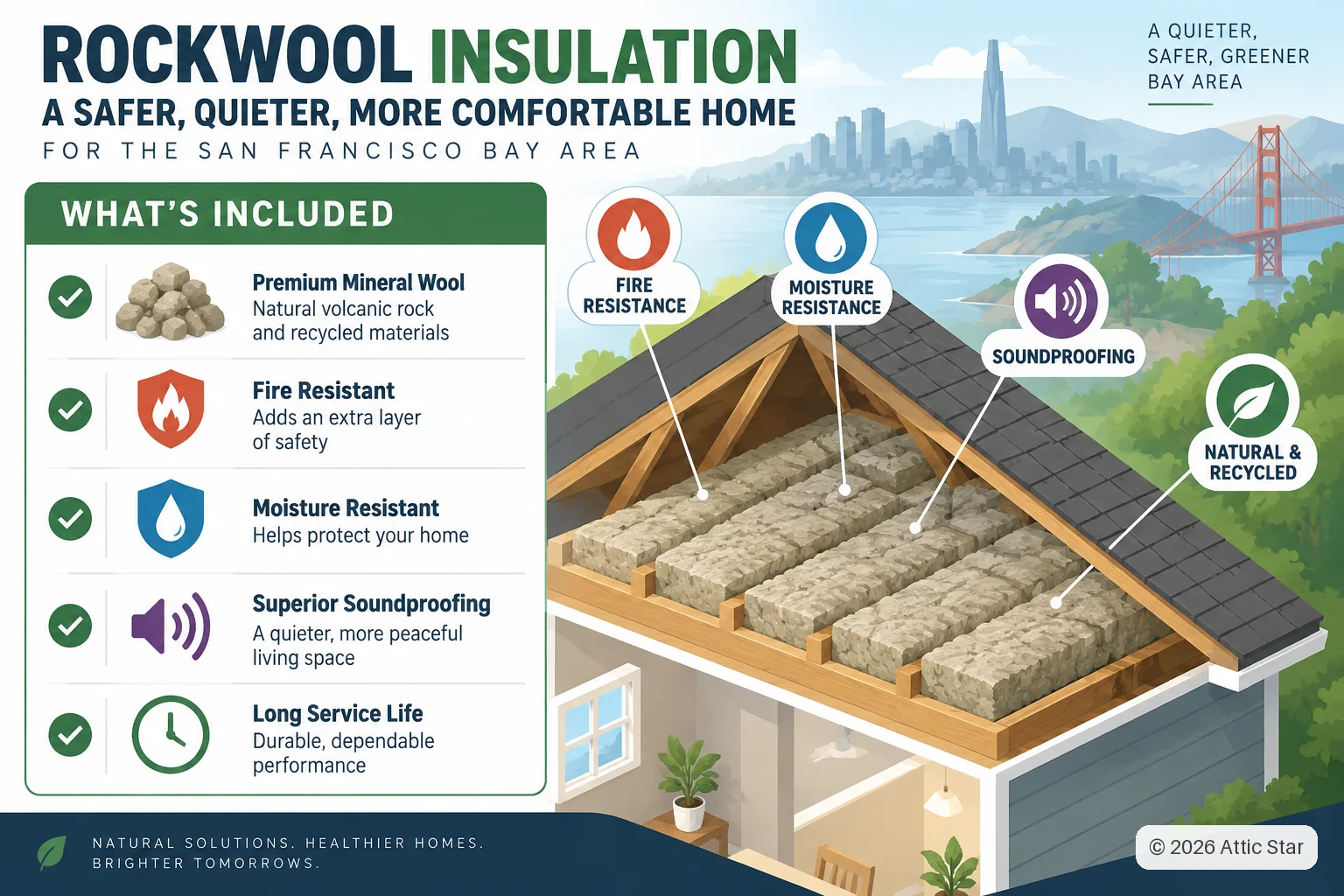
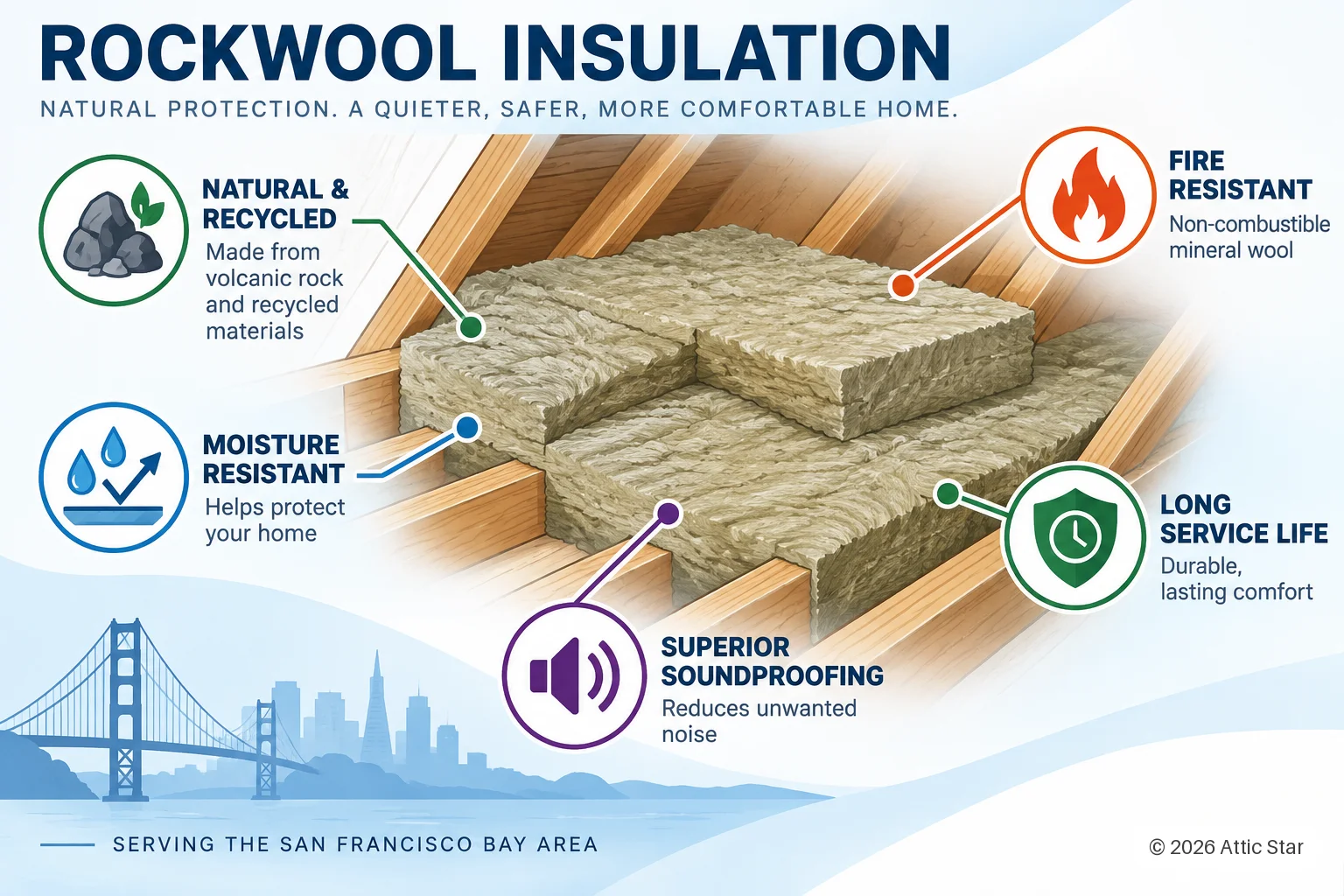
Spun from stone and slag fibers, mineral wool adds fire resistance and sound control to ordinary thermal insulation.
- Highly resistant to fire and heat
- Absorbs sound between rooms and floors
- Sheds water instead of soaking it up
- Rigid batts that hold their shape
 i
Everything You Need to Know About Rockwool Insulation
Rockwool is the name many people use for mineral wool insulation, made by melting natural stone such as basalt, often with recycled slag from steel production, and spinning it into fibers. It looks a bit like fiberglass but feels denser and stiffer. Mineral wool is most often sold as batts sized for standard stud and joist spacing, plus rigid boards for other uses. It typically offers roughly R-3.0 to R-4.3 per inch, at or above fiberglass batts. Rockwool is also a manufacturer's name, but the term is widely used for the whole category.
Fire resistance is mineral wool's defining trait. Stone fibers don't burn, and the material typically withstands temperatures above roughly 1,800°F (about 1,000°C) before melting, so it doesn't feed a fire or add to flame spread the way combustible materials can. That is why it is widely used for fire-stopping and in fire-rated assemblies. In a home, it can help slow the passage of heat through walls and floors during a fire, though no insulation makes a structure fireproof.
Its density also makes mineral wool good at absorbing sound. In a wall or floor cavity it dampens airborne noise that would otherwise resonate in the hollow space, which is why it is popular around home offices, bedrooms, bathrooms, and media rooms, and between the floors of two-story homes. Near busy Bay Area freeways or under approach paths to SFO and San Jose's airport, mineral wool in exterior walls and attic spaces can take some of the edge off outside noise. Windows and doors, though, are often the weakest link.
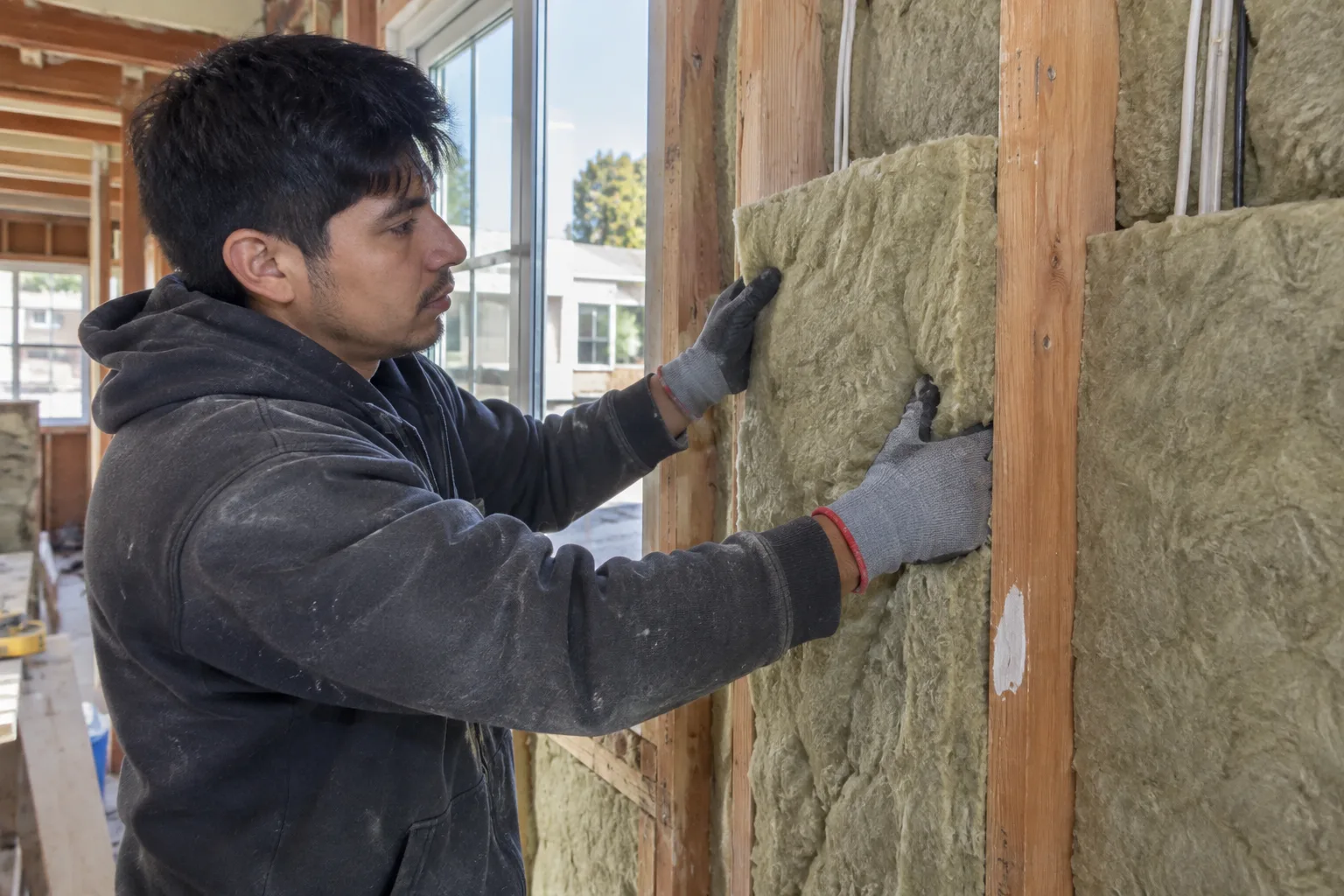
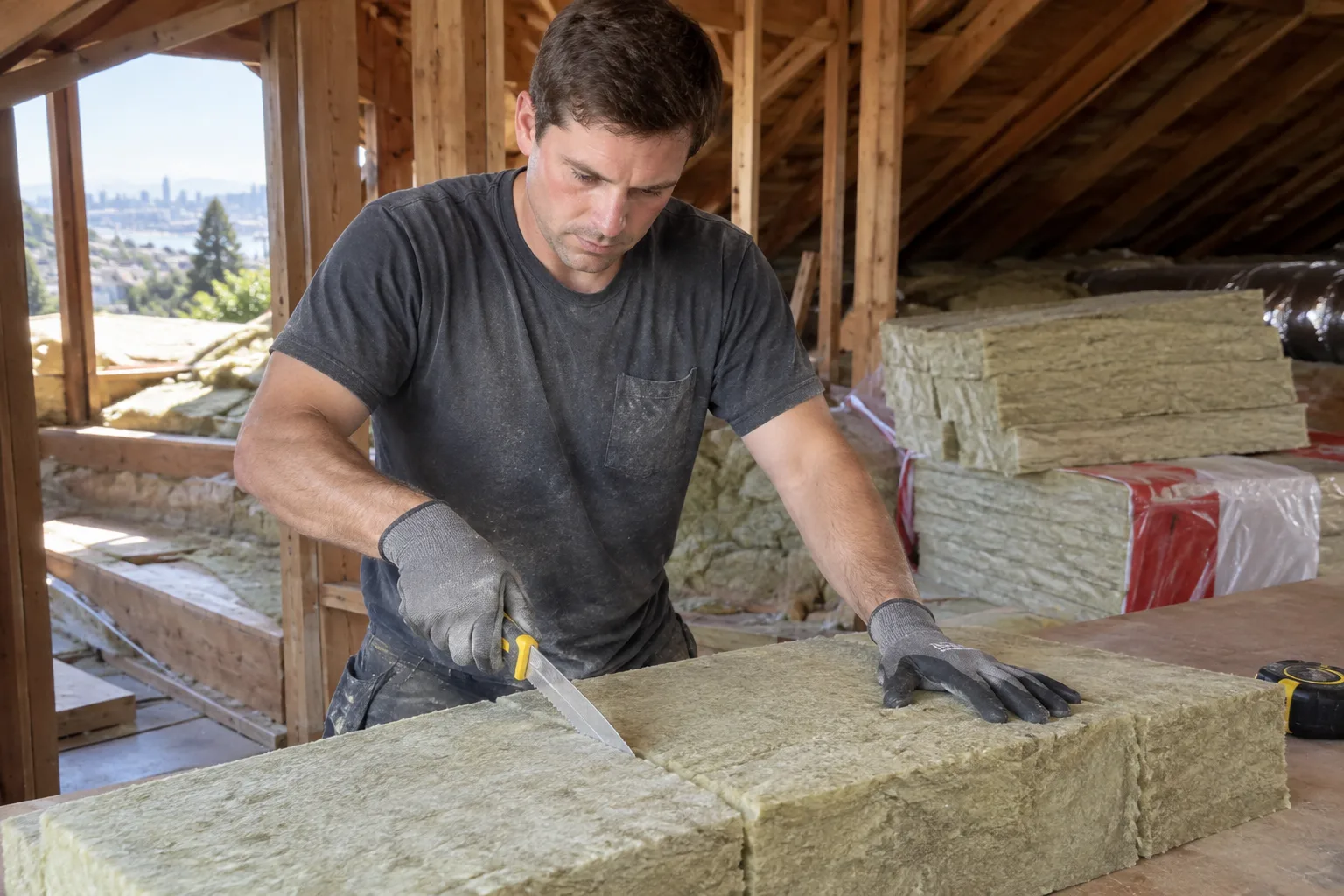
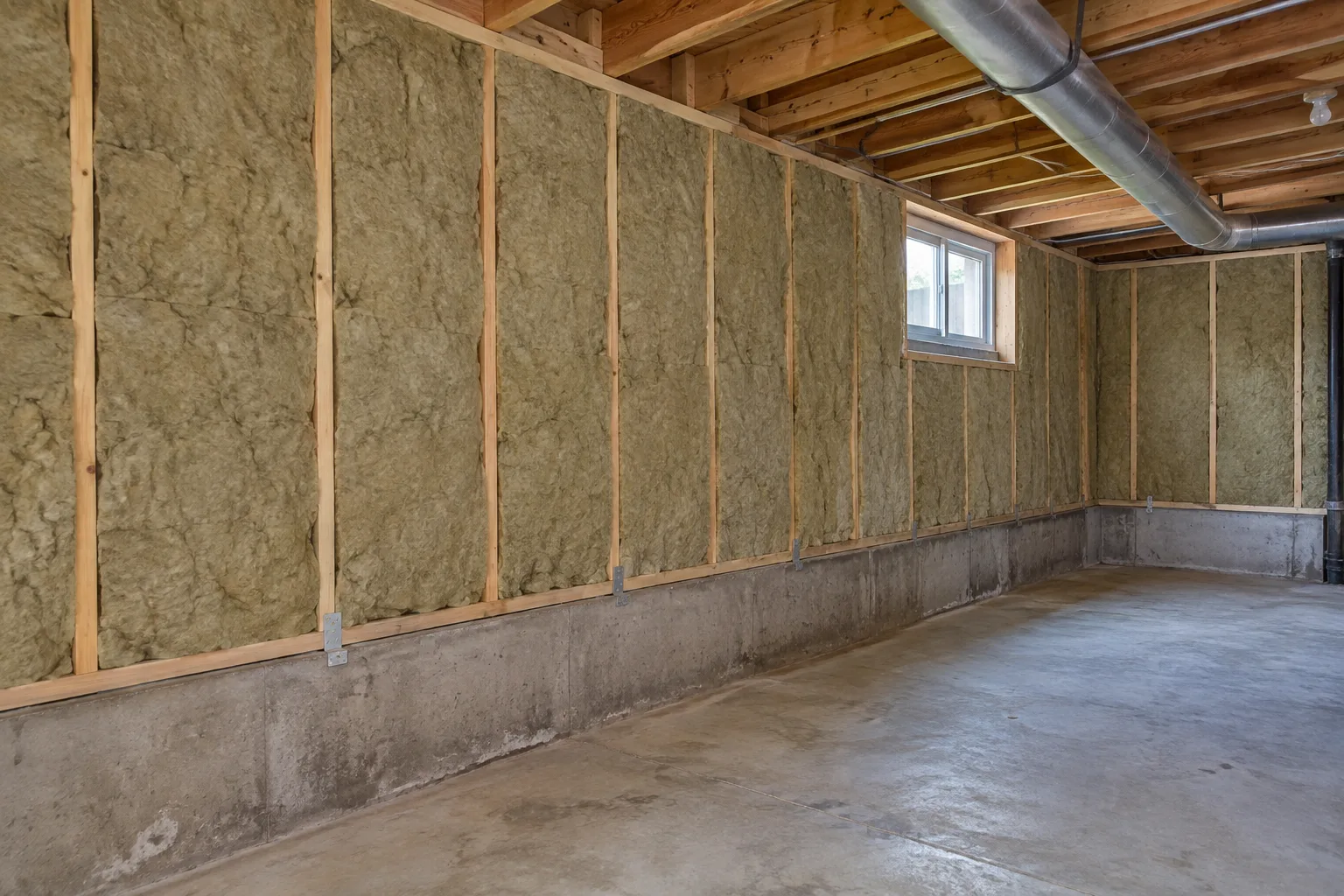
Mineral wool is water-repellent: liquid water tends to bead and run off rather than soak in, and the inorganic fibers give mold nothing to feed on. At the same time, it lets water vapor pass through, so it doesn't trap moisture inside a wall. Its stiffness is a practical advantage too. Batts friction-fit tightly between studs, stay in place without sagging, and keep their full thickness over time. They also cut cleanly with a serrated knife, which makes snug fits around outlets and pipes easier to achieve.
Rockwool Insulation at a Glance
Mineral Wool, Wildfire Zones, and Cost
Plenty of Bay Area homes sit in or near the wildland-urban interface, from the East Bay hills to the Peninsula foothills and wooded parts of Marin. There, mineral wool is a sensible insulation choice because it won't add fuel inside walls and attics. Keep expectations realistic, though. Wind-blown embers slipping through vents or landing on combustible materials near the house are a leading cause of home ignitions. Insulation is one piece of a broader fire-hardening plan, alongside ember-resistant vents, a fire-resistant roof, and cleared defensible space.
Mineral wool generally costs more than fiberglass for the same R-value, so it rarely makes sense to use it throughout a home purely for thermal performance. A common approach is to put it where its extra properties pay off, such as exterior walls in a fire-prone area, walls around a home office or nursery, or the floor between two stories, and use fiberglass or blown-in insulation elsewhere. Mixing materials this way keeps a project on budget while still delivering fire and sound benefits where they count.
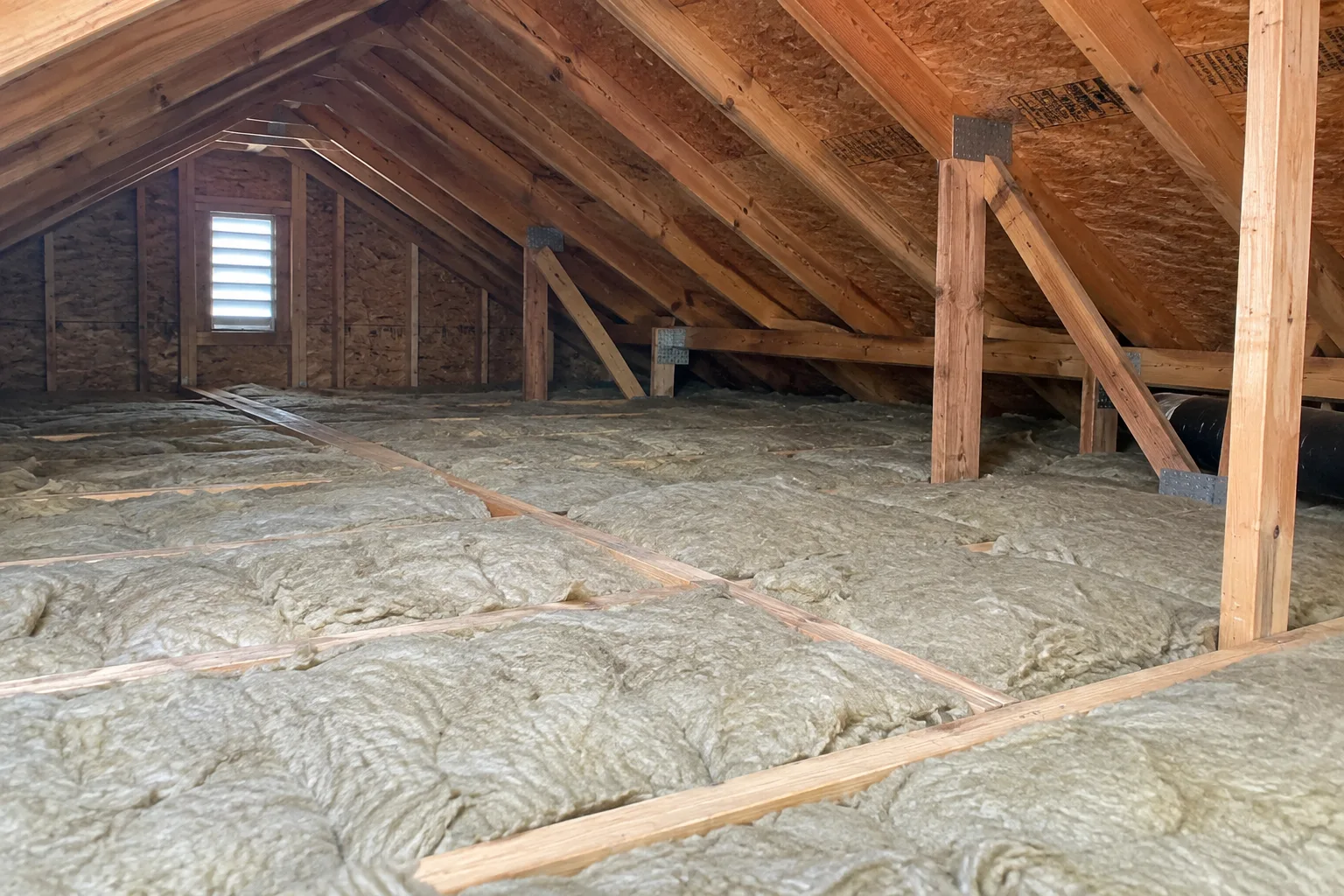
Next to fiberglass batts, mineral wool is heavier, firmer, and less prone to slumping in a wall. It does shed dust and fibers when cut, so gloves, long sleeves, eye protection, and a mask are still standard during installation. Unlike cellulose, it tolerates occasional dampness well and generally recovers its performance once it dries out. It is less common in open attics, where loose-fill materials usually cover the floor more economically, so many homes pair a mineral wool wall or floor upgrade with blown-in insulation overhead.
Recent Rockwool Insulation Jobs
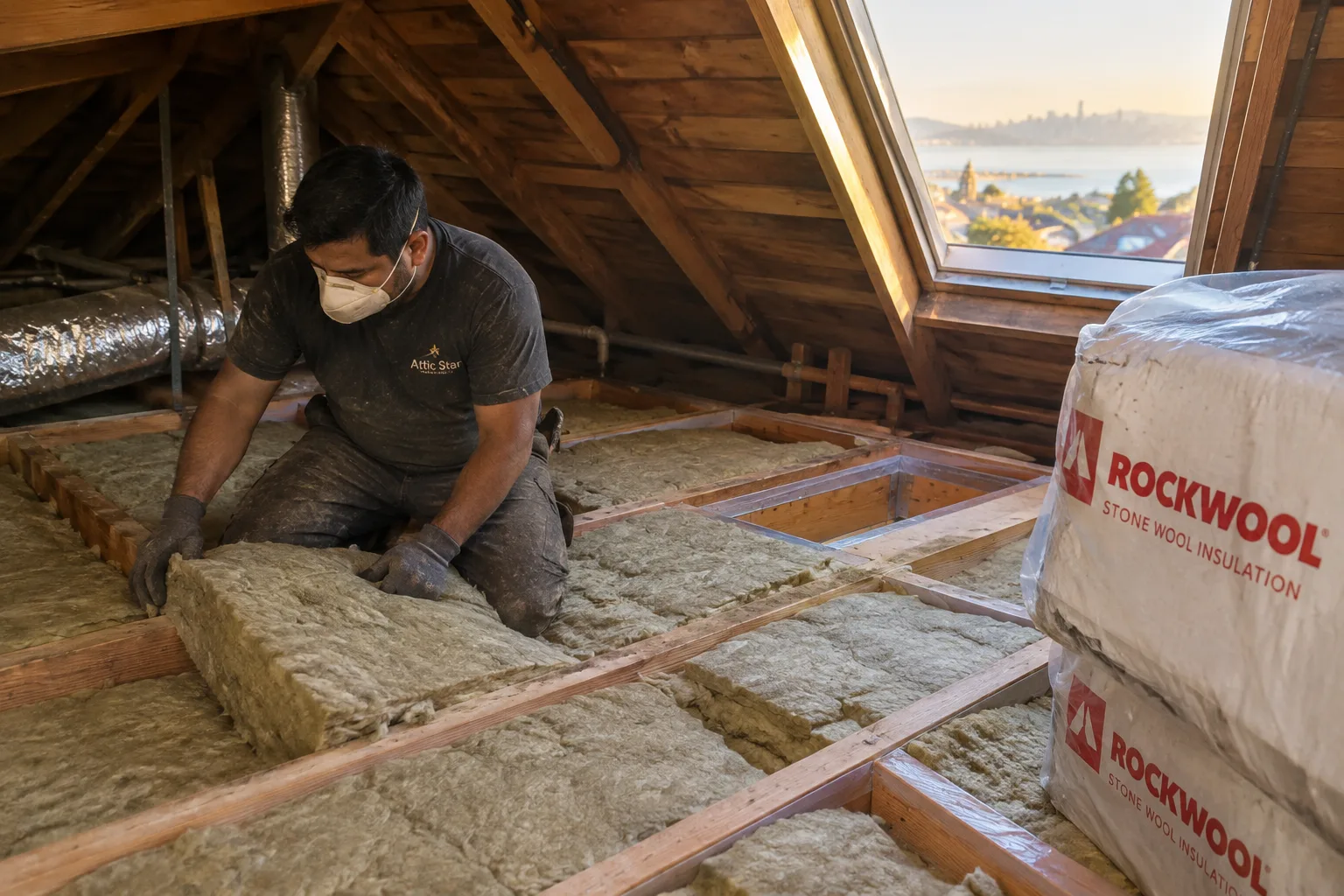 i📍 Mountain Viewi📍 Fremonti📍 Redwood City
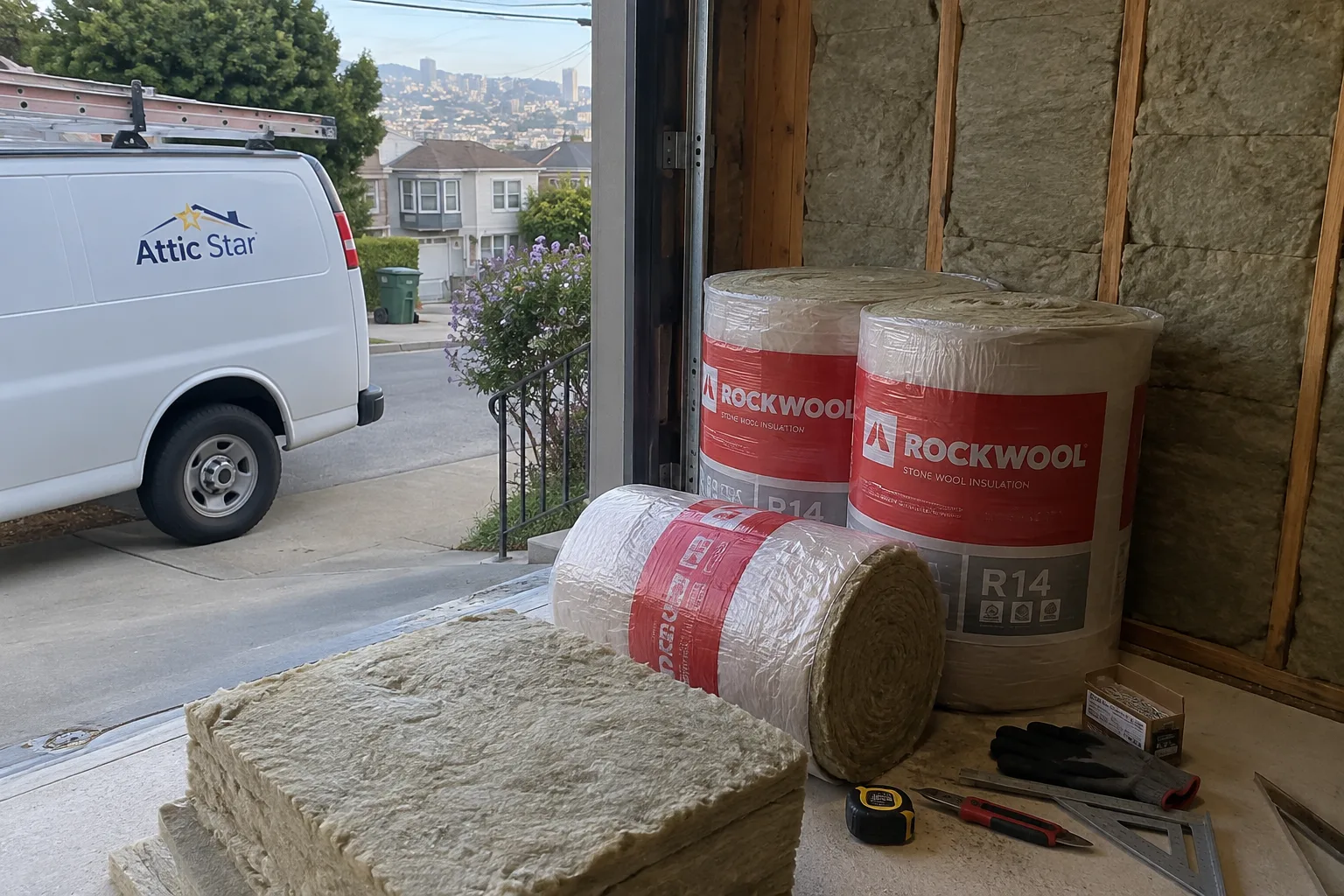 i📍 El Cerrito
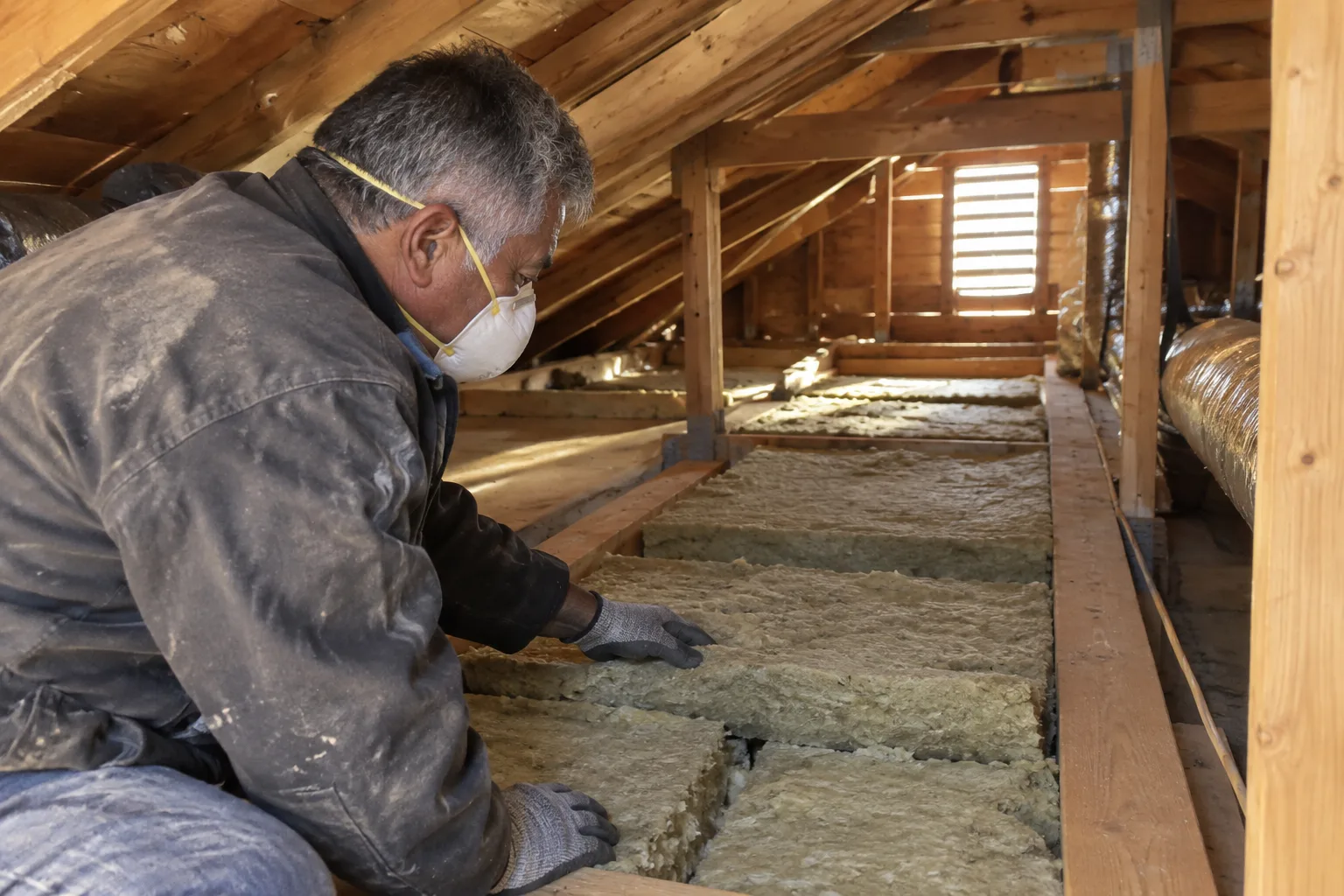 i📍 Berryessa, San Jose
 i📍 Mill Valley
 i📍 Rockridge, Oakland
How We Handle Rockwool Insulation
Identify Your Priority
We look at what matters most in each area, whether heat, noise, or fire hardening, and plan mineral wool where it adds the most.
Prepare the Cavities
Old or damaged insulation is removed and air leaks are sealed, since gaps let sound and heat bypass even dense insulation.
Cut and Friction-Fit
Mineral wool is cut with a long serrated blade and pressed into each bay, where its stiffness holds it snugly in place.
Check Fit and Coverage
Each batt is checked for a tight fit at edges, outlets, and pipes before any wall or ceiling covering goes on.
Other Services Homeowners Ask About
Most projects involve more than one service. These are the ones our Bay Area crews pair with this work most often:
- attic insulation removal and replacement
- cellulose insulation
- batt insulation installation
- attic cleaning and cleanup
We do Rockwool insulation across the Bay Area from four offices, on the Mid-Peninsula, in the South Bay and East Bay, and in the North Bay, San Francisco and Oakland.
What Bay Area Homeowners Are Saying
Our Guarantee: Expert, Reliable, Affordable
Every Rockwool installation starts with a free inspection, and our in-house crew, serving the Bay Area for 25+ years, installs it to code.
FAQ
How much does rockwool insulation cost? +
Cost depends on the size of your home and the scope of the work. We provide a free, no-obligation inspection and give you an exact quote before anything begins — no surprises.
How long does the work take? +
Most jobs are completed in a single day. Larger or more involved projects may take longer, which we'll confirm during your free inspection.
Do I need to be home during the work? +
You don't need to stay in the work area itself, but we do ask that someone is available at the start and end of the appointment. Our crew works cleanly and keeps you updated throughout.
Are you licensed and insured? +
Yes — Attic Star is fully licensed, bonded, and insured, and has served Bay Area homeowners for over 25 years.
Is Rockwool better than fiberglass? +
It depends on the goal. For pure thermal performance per dollar, fiberglass usually comes out ahead. Mineral wool is the better pick when fire resistance, sound control, or a firm batt that won't sag are priorities. Many homes use both, with mineral wool in specific walls or floors and fiberglass elsewhere.
Will Rockwool insulation protect my home from a wildfire? +
No insulation can do that on its own. Mineral wool helps because it won't burn and tolerates extreme heat, but many homes lost to wildfire are ignited by embers and nearby fuels rather than by flames reaching the walls. Think of it as one layer of protection within a larger plan for the property.
Can Rockwool reduce noise from a freeway or airport? +
It can help, especially in walls and attic spaces facing the noise source, because dense mineral wool absorbs sound inside the cavity. Expect a noticeable softening rather than silence. Openings such as windows, doors, and vents usually let in the most outside noise, so the biggest gains come from addressing those along with the insulation.
Can Rockwool be used between floors? +
Yes, and it is one of its best uses. Placed between the joists of an upper floor, mineral wool batts absorb airborne sound such as voices and television. Footsteps and other impact noise travel mainly through the framing itself, so mineral wool reduces them only partly; resilient underlayments or ceiling details address that part.
Get Your Free Rockwool Insulation Quote
Fill out the form and we'll follow up to schedule your free, no-obligation inspection — most homeowners hear back the same day. Prefer to talk now? Call us directly.
Get Your Free Estimate
Takes less than a minute — tell us about your project and we'll follow up the same day.
Get my Free Estimate